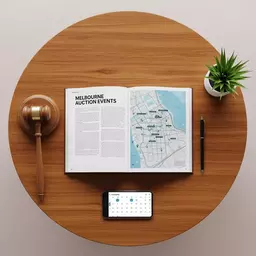
Garage Photo Preparation Before a Property Auction Campaign
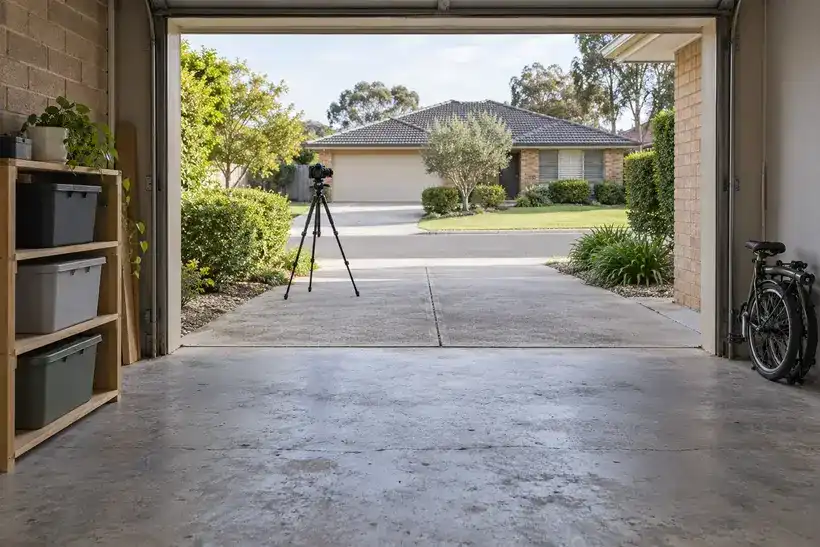
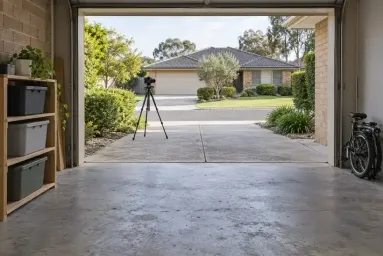
Garage photo preparation begins with a conversation about what the property images should show. Before moving belongings or filling the space with boxes from other rooms, agree with the agent and photographer how the garage fits into the campaign. A clear brief helps the household prepare for the actual shoot being planned.
The aim is to make the space understandable while representing it honestly. A garage may be used for parking, ordinary storage or several household activities. Preparation should help people see its layout and connections without turning a temporary arrangement into a claim about features, condition or capacity that has not been checked.
For an owner whose preparation list includes the thought 'I should sell my bike', keep the vehicle decision separate from the photography appointment. An enquiry does not establish that collection will be completed before the camera arrives. Tell the agent what will actually be in the garage so the preparation plan can reflect the present situation.
Agree what the garage photographs should explain
Ask whether the garage will be photographed internally, shown as part of the exterior or included in another view of the property. These are different tasks. Preparing the driveway for a front photograph does not automatically prepare the inside of the garage, and the reverse is also true.
Discuss the parts of the space that should be visible and any practical limitations. There may be a side entrance, a storage area or another connection that needs to be understood. Describe what is there rather than deciding that an image must imply a particular number of vehicles or a future use.
The Listro garage photography guide offers background on the different views involved. For your property, let the photographer determine the appropriate composition and lighting approach. A general article does not know the space, its condition or the access available for the booked session.
Keep the agreed brief short enough for the household to follow. It might identify the area being photographed, the ordinary belongings to organise and the questions to resolve before the appointment. This is more useful than a broad instruction to make the entire garage look like an empty showroom.
Stop the garage becoming the whole home's overflow
When other rooms are being prepared, the garage can become the destination for everything that needs to leave a photograph. If the garage is also part of the shoot, that approach simply transfers the unfinished work. Decide on suitable temporary locations for ordinary belongings before the household begins moving them.
Check ownership and the intended destination of each group. Personal items, shared equipment and belongings awaiting another decision should remain distinguishable. Do not discard someone else's possessions or include them in a collection because the photography date creates pressure to clear a corner.
Choose arrangements that preserve everyday access. A temporary pile that blocks the route into the home or prevents someone reaching an item they still need is not a useful preparation method. If there is no suitable place for a larger group, discuss the limitation with the agent rather than hiding it from the plan.
Some preparation can overlap with a later move, but the two tasks are not identical. Boxes intended for another property need destination information. Items moved only for the shoot need a plan for where they return afterward. Keep those purposes clear so the garage does not remain in an improvised state for the rest of the campaign.
Settle vehicle arrangements before shoot day
Talk through which vehicles will be present and who can appropriately manage any planned change. A vehicle used daily, a stored motorcycle and a non-running project are different situations. Do not promise that each can simply be parked elsewhere for an hour.
If a separate collection is being arranged, confirm the provider's scope, timing and access requirements directly. Explain the item's condition and location accurately. Keep the photography appointment informed by what has been confirmed, rather than by the earliest date you hope a provider might offer.
For a retained vehicle, discuss the photography plan with the agent and photographer. There may be practical limits on what the household can change. A clear statement of those limits allows the professionals to plan the session around the real property and the available access.
Do not attempt unfamiliar loading, mechanical work or risky movement to meet a photo deadline. Obtain suitable help where needed. A smaller, accurate set of photographs is a better basis for discussion than a plan that depends on preparation the household cannot appropriately carry out.
Prepare ordinary items within the agreed scope
Work from the specific list agreed for the shoot. Organise ordinary loose belongings, identify personal papers or identifying details that should be put away, and keep the area accessible for the appointment. Avoid treating every object as something that must be removed regardless of its purpose or ownership.
If cleaning is part of the preparation, use methods suitable for the surfaces and your circumstances, or arrange appropriate assistance. Do not improvise chemical treatments, pressure washing or repairs solely because a photograph might show a mark. Raise an uncertain condition with the agent and the relevant professional.
Photographer preparation guidance can help make the conversation more concrete. The UberRE home photoshoot checklist is one example of setting out tasks before the session. Confirm which tasks apply to your property instead of assuming every general suggestion suits the garage.
Before the appointment, check that the household understands what is ready and what remains unchanged. If a task could not be completed, say so. The photographer can plan around an accurate brief more easily than a surprising change discovered at the door.
Share condition questions with the agent
Preparation is not a reason to conceal the condition of the space. If a floor mark, damaged item or another concern becomes visible while belongings are organised, describe it factually. Ask the appropriate person what further assessment or action is needed for the property.
Keep observations separate from diagnoses. 'There is a mark near the rear wall' communicates a location. Declaring what caused it, or whether it matters, may require information you do not have. The useful next step is a clear question supported by an accurate description.
Do not ask for a permanent feature or condition to be edited away merely to simplify the photograph. Discuss the accuracy of the images and any relevant marketing questions with the agent. This article is about practical preparation, not a statement of advertising law or a substitute for property-specific advice.
Confirm access, timing and responsibility
Agree who will provide access and who can answer questions during the session. Confirm the appointment details through the photographer's normal process. If the garage has a separate access arrangement, make sure that is understood before the shoot rather than assuming entry to the house settles everything.
Ask the photographer what they want the household to do about ordinary lighting and door arrangements. Follow appropriate instructions for the actual property. Do not interfere with garage-door hardware or attempt adjustments because a generic photography guide prefers a particular door position.
GB Photography's seller preparation article highlights the value of clear expectations before photography. The practical application is to give each task a person and an understood deadline, while keeping unresolved access or collection questions visible.
If an appointment changes, update everyone whose work depends on it. A collection delayed until after photography can affect cleaning, access and the shot brief. One current message describing the revised situation is more useful than several people working from different versions of the plan.
Review photographs as a record of the space
When reviewing the images with the agent, ask whether they communicate the garage's actual layout and connections. Are the relevant views included? Is an ordinary temporary item distracting from what the photograph is meant to explain? Is there a question that needs clarification in the wider property information?
Do not treat a photograph as proof of a specific vehicle fit or of a future conversion. Those questions depend on actual dimensions and appropriate assessment. Good preparation can make the space easier to see, but it does not perform the checks a buyer may need.
Readers considering the buyer's side can use our Melbourne auction property guide for broader context. A campaign photograph is one part of understanding a property; it should lead to appropriate questions rather than replace an inspection or other necessary enquiries.
A fictional garage shoot with a delayed collection
Imagine an owner preparing a garage that contains ordinary household storage and a motorcycle awaiting a collection enquiry. The initial photography brief assumes the vehicle might leave beforehand, but the provider has not confirmed that timing. The household keeps the distinction visible.
When the appointment is confirmed for a later date, the owner updates the agent and photographer. They revise the shot brief around the garage as it will be on the day. Ordinary belongings are organised within the agreed scope, while the motorcycle remains accurately described in the access plan.
This is a fictional planning example, not a customer account or a promise about a campaign result. Its value is that one unconfirmed collection does not become a hidden dependency for every other task. The preparation remains practical because the people involved know what is actually happening.
Carry preparation forward to inspections
After photography, decide which ordinary arrangements can be maintained while the household continues using the property. Items moved temporarily need suitable destinations, and access should remain understandable. Avoid a routine that depends on hurriedly shifting the same large pile before every appointment.
For broader campaign reading, our overview of Melbourne's auction landscape introduces the buyer's perspective. The separate guide to preparing for a real estate auction covers wider enquiries. Garage presentation should sit within that larger information process, without being mistaken for the whole assessment.
Update the relevant people when the garage's practical arrangements change. A completed vehicle collection, revised access instruction or different storage location may affect a later appointment. Keep communication factual and current rather than assuming the original photography brief remains accurate indefinitely.
Present a garage people can understand
Garage photo preparation works best when the household, agent and photographer share an accurate brief. Agree what should be shown, organise ordinary belongings within that scope and keep vehicle, access and condition questions clear.
The result to aim for is an understandable representation of the present space. Prepare honestly, communicate changes and let the photographs support the wider conversation about the property.