How to Prepare Your House for Auction in Melbourne: A Styling Guide for Sellers

To prepare a house for auction, style it for the camera first and for the inspection crowd second. Clear the surfaces, neutralise the colours, fix the small faults and light every room. Finish the work before the photographer arrives, because those photos open the campaign.
A sound plan covers three jobs. Make the listing photos read clearly. Make every inspection repeatable. Keep the home presentable until the auctioneer calls the sale. The sections below take each job in turn, room by room, with a routine you can follow every weekend.
How long is a Melbourne auction campaign, and what should styling achieve?
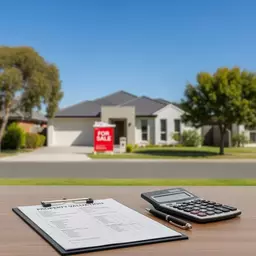
A Melbourne auction campaign usually runs for a few weeks. The home sits online, appears on the signboard and opens for inspection on set days. Consumer Affairs Victoria notes that the advertising campaign generally includes open house inspections for several weeks before auction day.
That length shapes your styling. The photos taken in the first week carry the whole campaign. A buyer who walks in during week three expects the same home they saw online. So style once, to a standard your household can hold.
Styling has three goals:
- Photos: show the true size, light and layout of each room.
- Online listing: give the first image a clean, bright, uncluttered look so buyers stop scrolling.
- Inspections: make the walk from the front door to the back fence feel calm and logical.
Plan backwards from the photography date, not from auction day. Booking the photographer sets the real deadline for everything else in this guide.
What must be ready before the photographer arrives?
Agree the shot list with your agent first. Ask which rooms, outdoor areas and exterior angles will be photographed. Then prepare those spaces to a finished standard, not a tidy one.
Use this checklist the night before the shoot:
- Clear kitchen and bathroom benchtops, apart from one or two styled items.
- Hide bins, pet bowls, cleaning products, cords and remote controls.
- Remove family photos, fridge magnets, school notices and personal papers.
- Make every bed with matching linen and straight pillows.
- Close toilet lids and hang fresh towels.
- Clean the windows, mirrors, glass doors and floors.
- Move cars off the driveway and street frontage.
- Mow, edge and sweep the paths so the exterior looks cared for.
On shoot day, open every blind and switch on every lamp. Turn the televisions off and keep pets out of the house.
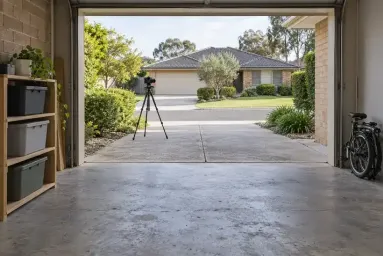
If the garage or carport will appear in the shoot, read our guide to garage photo preparation. It explains how to agree the brief and what to say about vehicles.
How do lighting and neutral finishes help an auction home?
Light makes a room look larger and cleaner. Dark rooms photograph poorly and feel smaller on inspection. Start with what you already have.
Clean the windows inside and out. Open curtains and blinds fully. Replace blown globes and choose one bulb tone for the whole home, so rooms do not shift between warm and cold. Place a lamp in any dim corner. Switch the lights on for every inspection, even on a bright day.
Neutral finishes help buyers imagine their own furniture in the space. Strong colours pull attention away from the layout. Consider these steps:
- Touch up scuffs, marks and chipped paint on walls, doors and skirting boards.
- Repaint only if a strong colour dominates the room. Ask your agent first.
- Swap bold bedding and cushions for soft, matching tones, with one accent colour at most.
- Roll up clashing rugs and remove heavy window dressings that block light.
Neutral does not mean bare. Keep a few quiet touches, such as a plant or a throw, so each room still feels welcoming.
How should you style an empty home compared with an occupied one?
Empty rooms are hard to judge. Buyers cannot tell whether a bedroom fits a queen bed or whether a dining area suits a table. Bare-room photos can distort scale. A few well-chosen pieces define each zone and show how the room works.
Occupied homes face the opposite problem. Too much furniture hides the floor and shortens the sightlines. Edit rather than add. Remove oversized pieces, spare chairs, extra side tables and anything that blocks a doorway. Leave a clear path through every room and space around each bed.
Sellers who prefer a stylist to handle furniture and layout can look at home staging Melbourne services that offer full or partial staging. Full staging suits a vacant property. Partial staging adds key pieces to a home that already holds furniture. Either way, brief the stylist on your photography date before you book.
Scale matters in both cases. Furniture should suggest how the room is used without overstating its size. A large sectional in a small living room makes the room look cramped. A rug that is too small makes a dining area look unfinished. Choose pieces that fit the room honestly.
Hypothetical example: an owner lives in a three-bedroom house with an oversized corner lounge in a modest living room. They move the lounge to storage, keep a two-seat sofa and one side table, and float a rug under the coffee table. The room opens up and the window becomes the focus. This is an illustration, not a customer account.
What should the entry and living areas show first?
Buyers form a view at the front door. Make that first view clean and welcoming. Sweep the porch and wash the front door. Check that the house number is visible and the entry light works. Add a fresh doormat and put away shoes, umbrellas and parcels.
Inside the entry, clear the hall table and remove coat piles. A single mirror, a lamp or a small vase is enough. Buyers should see a clear path to the main living space without stepping around objects.
The living room carries the most weight online. Choose one focal point, such as the window, a fireplace or the main sofa, and arrange the furniture to face it. Place the sofa so it does not block light or walkways. Limit surfaces to a few items. A coffee table with a book and a bowl looks styled. A coffee table with six items looks busy.
Remove cables, game consoles and stacks of mail from view. Straighten cushions before each inspection. If a room serves two uses, such as a lounge with a desk, show the main use clearly and keep the second one tidy.
How should the kitchen and main bedroom look?
Buyers inspect kitchens closely. Clear the benchtops down to one or two items, such as a bowl or a plant. Empty the sink, clean the taps and wipe the splashback. Tidy the fridge front and hide the dish rack, bin and sponge. Clean the oven, rangehood and cupboard fronts. Tighten loose handles, because buyers open drawers and doors.
Open the pantry and wardrobes as a buyer would. Neat shelves tell a story about storage. Pack away excess goods so cupboards look spacious without looking empty.
The main bedroom should feel calm. Centre the bed on the main wall and dress it with matching linen. Keep bedside tables to a lamp and one book. Clear the floor of shoes, laundry and exercise gear. Clear the dressing table.
Bathrooms need the same discipline. Remove bottles from the shower, hang matching towels and clean the grout and glass. Hide the toothbrushes and the cleaning kit. Replace worn bath mats.
How do you present the outdoor areas?
Outdoor spaces extend the living area, so show them as rooms. Mow the lawn, edge the borders and trim hedges that crowd the paths. Remove dead plants, hoses, toys and garden tools. Wash the driveway and clean the gutters and downpipes where you can reach them safely.
Store bins out of sight of the street and the main photo angles. Check the letterbox and fence for damage. Touch up a faded gate or front fence if it shows in the street view.
Arrange outdoor furniture to suggest use. A table with four chairs and a plant in a pot tells buyers they can entertain there. Wipe cushions, remove covers and clear ashtrays. On a balcony, keep a small table and two chairs, with no clutter in the corners.
If the property has a pool, keep the water and surrounds clean and the fence and gate in good working order.
Plan for wet weather as well. Keep a dry mat at the entry and sweep leaves before every inspection.
Which small repairs and finishing touches are worth doing?
Small faults make buyers wonder what else is wrong. Fix them before the first photos. Look for dripping taps, sticking doors, squeaky hinges, loose handles, cracked or missing sealant, chipped paint and broken fly screens. Replace damaged light switch covers and missing door stops.
Big works are different. Do not start a renovation during the campaign. A half-finished project hurts the photos and the inspections. If you are unsure whether a repair is worth the cost, ask your agent which items buyers in your suburb notice.
Finishing touches pull the work together. Choose a few items and repeat them across the home:
- Matching hangers in open wardrobes.
- Fresh white towels in each bathroom.
- Fresh flowers or a green plant in the main living area.
- A bowl of lemons or fruit in the kitchen.
- Clean, matching door mats at each entry.
Keep each touch modest. The aim is a home that looks cared for, not a showroom.
What is the best inspection-day routine?
A repeatable routine makes every inspection feel as good as the first. Run the same reset before each open time, and give each household member a task.
- Switch on all lights and open all blinds.
- Set the heating or cooling so the home feels comfortable.
- Put away dishes, laundry, shoes and toys.
- Empty the bins and wipe the benches.
- Check bathrooms for towels and toilet lids.
- Lock away valuables, medication and personal documents.
Scent deserves care. Fresh air works better than heavy sprays, which can bother visitors. Open windows before the inspection, then close them so the home feels warm. Avoid cooking strong foods on the morning of an open.
Pets need a plan. Arrange for them to stay elsewhere during inspections, and remove litter trays, bowls and bedding from view. Clean pet hair from sofas and floors.
Parking affects the first impression too. Keep household cars off the street frontage and away from the driveway so visitors have room. Mark any shared car spaces if you live in an apartment.
Buyers also prepare. Our buyer-focused guide to preparing for a real estate auction shows what they read before they arrive. On auction day, the property may open for at least half an hour before bidding starts, so plan one last reset before the crowd gathers.
How do you keep the home presentable through the whole campaign?
The campaign tests the household more than the styling does. Real life resumes after the photos, so build habits that protect the look.
Set up a hold box or a cupboard for daily items such as mail, chargers and toiletries. Use it every day, and empty it into drawers only after the inspection. Keep the hold zone inside the home rather than piling items in the garage, which may also appear in photos.
Split the upkeep across the week:
- Daily: make the beds, wipe the benches and clear the sink.
- Before each open: run the full inspection routine above.
- Weekly: vacuum, wash the windows, mow the lawn and replace flowers.
Check for damage after each inspection. A scuffed wall, a loose handle or a blown globe should be fixed before the next open. Ask your agent for buyer feedback after the first weekend, and change the presentation only if the feedback points to a clear problem.
Tell the agent before you move any furniture. The photos and listing must keep matching the home that buyers see. If you swap a rug or remove a chair, confirm whether the images need an update.
Which Victorian auction rules should sellers know while styling?
Styling does not change the legal timetable, but sellers should know the main rules. Your agent and legal adviser handle the details. This section is a summary, not legal advice.
Agents must now publish the seller's reserve price at least 7 days before an auction, according to Consumer Affairs Victoria. The rule applies to auctions on and from 16 October 2026. The auction cannot proceed unless the price has been published for the full period.
The same regulator explains that only the auctioneer can make a vendor bid on your behalf, and the auctioneer must announce it. It is illegal for a seller to bid from the crowd or ask another person to bid for them. A buyer also has no cooling-off period for a property bought at auction. Strong presentation therefore matters on the day, because buyers commit without that safety net.
For wider background on the rules and the day itself, read about how auctions work in Victoria. Ask your agent to explain the campaign timetable, the reserve process and the auction conditions before the first inspection.
Conclusion
Auction styling rewards early decisions and steady habits. Set the photography date, finish the work for the lens and keep each room ready for strangers. Decide how much furniture each space needs, light every corner and repair the small faults before the signboard goes up. Then protect the result with a routine the whole household can follow until the auction is over.