Motorbikes in the Garage? How to Prepare Your Melbourne Home for Auction

If your garage holds motorcycles, a project bike or a bike that no longer runs, decide early where each one will live during the auction campaign. Each bike either stays, goes into short-term storage or moves straight to your next home. Plan those moves around the photo shoot, the open inspections and settlement, not around auction day.
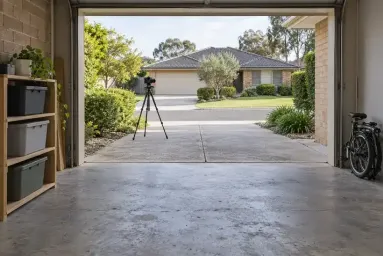
The garage is part of what you are selling. Buyers want to see its size, its floor and how it connects to the house. Bikes, stands, spare parts and fuel cans make that hard. A clear plan for every bike keeps the garage presentable, keeps the bikes safe and covered, and stops a last-minute scramble before settlement.
Start with a list of every bike and its condition, then work out how each one will physically leave. A rider can take a registered bike to storage on a quiet weekday. A non-running bike, a bike in pieces or one that is off the road needs a trailer or a carrier. If you plan to use door-to-door bike transport Melbourne collection, book it once the photographer's date is locked in, so the garage is empty before the camera arrives rather than the day after.
Should the bikes stay in the garage during the campaign?
Most of the time, no. A garage full of bikes reads as a storage room in photos. At an open inspection it also invites the wrong kind of attention. Strangers walk through, look at what you own and note how it is locked.
There are exceptions. A single, tidy, registered bike parked against one wall may not hurt the photos. Some buyers even like seeing that the garage fits a car and a bike. Ask your agent before you decide. They know how the garage will appear in the listing and how much of the space buyers need to see.
The answer can differ for each bike. Your daily rider may need to stay close. A collector's bike may be safer elsewhere for the whole campaign. A project bike that has sat in pieces for two years is a different job again.
How do you sort the bikes before you clear the garage?
Sort each bike into one of five groups. This decides where it goes and who moves it.
- Daily rider. You still need it for work or errands. Keep it close, but out of sight on inspection days.
- Weekend or collector bike. You can live without it for a few weeks. Short-term storage often suits it best.
- Project bike. It may be partly built, with parts spread across shelves. It needs to be gathered, boxed and moved as one load.
- Non-running bike. It cannot be ridden anywhere. It needs a trailer, a carrier or a buyer.
- Bike you plan to sell. A sale may clear the problem, but do not bank on the buyer collecting before the photo shoot.
Write the plan down. Note where each bike is going, the date it leaves and who holds the keys. Share it with anyone else in the household who rides.
How do you clear the garage for photos and open inspections?
Once the bikes have a plan, the rest of the garage follows. Box up spare parts, tyres, helmets and riding gear. Take fuel cans, oil and chemicals off the floor and store them safely, away from the house. Coil up battery chargers and extension leads.
Oil drips and tyre marks show up clearly in photos. Clean the floor with a product suited to concrete, or ask a cleaner. Do not try to hide a stain with paint or a rug. A buyer may treat that as hiding a defect.
Our guide to garage photo preparation covers how to agree the shoot brief with your agent and photographer. For the rest of the house, follow the room-by-room steps in our guide to preparing your house for auction.
Treat every open inspection as a security risk for the garage. Before each one:
- Put away keys, spare keys and key tags. Never leave them on a hook by the garage door.
- Remove registration papers, service books and receipts.
- Take down anything that shows your bike's make, model or value, such as posters or club memorabilia.
- Do not leave disc locks, chains or alarm remotes on display. They tell a stranger what security you use.
- Lock the garage's side door and check it after the inspection ends.
What short-term storage options suit motorcycles in Melbourne?
Short-term storage is the usual answer for bikes that must leave but have nowhere to go yet. Each option suits a different bike.
Self-storage units. These suit registered bikes and collector bikes. Look for gated access, cameras and an access window that fits your routine. Ask whether the facility allows motor vehicles, whether fuel must be drained, and whether a powered unit is available for a battery tender.
Workshops and dealers. Some motorcycle workshops store customer bikes, especially over winter. This can suit a bike due for a service. Ask how bikes are stored, who can move them and what happens if your plans change.
A family member or friend's garage. This costs little and is often close by. Agree on how long the bike will stay, who can ride it (ideally nobody), and what happens if something goes wrong. Check whether your insurance covers the bike at their address.
Carrier or depot storage. Some transport operators can hold a bike between pickup and delivery. This is useful when settlement on your sale and your purchase fall on different dates. Ask how long storage is included and what applies after that.
Wherever the bike goes, prepare it to sit. Clean it, top up the fluids, connect or remove the battery as the storage allows, and use a breathable cover. Damp Melbourne winters bring condensation, so avoid sealed plastic covers.
How do you keep a bike insured and secure while it is off-site?
Motor theft is a real concern in Victoria right now. The Insurance Council of Australia reported a 59 per cent increase in motor theft claims in Victoria in the 12 months to June 2025, with more than 12,000 claims. A bike that moves between addresses during a sale is exposed at each step.
Insurance policies usually ask where the vehicle is normally kept. Moving it to a storage unit or a relative's garage may change that address. Call your insurer before the bike moves, explain the plan and the dates, and ask:
- Is the bike covered at the storage address?
- Do any security conditions apply, such as a locked unit or a disc lock?
- Is the bike covered while it is on a trailer or with a carrier?
- Does cover change if the bike is unregistered or not running?
Read the product disclosure statement for the exact wording. Do not rely on a verbal answer for a valuable bike. Ask for written confirmation.
Before the bike leaves, take dated photos of it from every side. Note the odometer and any existing scratches or damage. Keep a copy of the condition report if a carrier provides one. Store the photos with your sale documents. If something is damaged or goes missing, you will have a clear record.
For a project bike, photograph the parts boxes too. List what is in each box. Loose parts are easy to lose across two moves.
When should the bikes move during the auction campaign?
Timing matters more than most sellers expect. Work backwards from the photo shoot, then forwards to settlement.
- Two to three weeks before photos. Sort the bikes and book storage, a trailer or a carrier. Confirm insurance for the new location.
- The week before photos. Move the bikes out. Clean the garage floor and clear the shelves.
- During the campaign. Keep the garage at photo standard for every inspection. Leave the bikes in storage, even if inspections are only on weekends.
- Auction day. Do not plan a bike move for this day. You will have enough to manage.
- The settlement period. Book the final move to your new home.
Consumer Affairs Victoria says the settlement period is usually 30 to 90 days and can be negotiated with the buyer. Remember that an auction contract is unconditional, so agree any special timing in the contract terms before auction day. Our explainer on understanding auctions in Victoria covers how the contract and deposit work.
The buyer can also inspect the property in the week before settlement. The contract requires you to hand over the home in the same condition as when it was sold. That means the garage too. Leave no forgotten parts, oil containers or old tyres behind. A box of rusty spares in the roof space can become an argument at the final inspection.
If your new home settles before your sale, the bikes can go straight there. If it settles after, plan for storage to cover the gap. Ask your conveyancer to confirm both dates before you book anything.
How do you move bikes to your new home?
You have three main options. Choose by the bike's condition and the distance.
Ride it. This suits a registered, roadworthy bike going a short distance. Ride it over before moving day so it is out of the way of the removalists.
Trailer it yourself. This works if you have a suitable trailer, proper tie-downs and someone who has loaded a bike before. Use wheel chocks and soft straps. Never improvise with old rope or straps that may slip.
Use a carrier. A non-running bike, a project bike, a heavy tourer or a longer move to regional Victoria or interstate often suits a carrier. Tell them the bike's real condition. A seized engine, flat tyres or a missing front wheel all change how it is loaded.
A general removalist may take a bike, but many prefer not to. Confirm in writing before moving day.
Whichever way the bike travels, prepare it the same way. Empty the panniers and top box. Run the fuel low if the carrier asks. Hand over the right key, and keep the spares with you.
Unregistered bikes need extra thought. They cannot be ridden on Victorian roads, so plan for a trailer or carrier from the start. Make sure the new garage is clear and the driveway is open on delivery day.
Once the bikes arrive, update your details. VicRoads asks you to tell it about a change of address within 14 days, including the garage address where your vehicles are kept. Update your insurer too, because your premium and cover may depend on the new garage and suburb.
What should you tell your agent?
Tell your agent early what is in the garage and what you plan to do with it. They can fit the shoot and the inspections around the plan. They can also advise if buyers are likely to ask about the garage's size, power points or access.
Be honest about anything you find while clearing the space. An oil stain, a cracked slab or a damp patch behind the shelves is better raised now than found at the pre-settlement inspection.
If the garage and its bikes feel like the hardest part of the sale, you are not alone. For more on how the whole process runs, read our overview of navigating Melbourne's auction landscape.
A garage that sells the home
The bikes are yours. The garage, from auction day, is the buyer's. Give each bike a destination and a date, keep its cover in place wherever it sits, and keep the garage at photo standard for every inspection. Then book the final move inside the settlement window. If you want auction-season advice for your own Melbourne sale, learn more about our team and how we help sellers prepare for auction day.